
The PaperOffice e-signature takes you from document to completion certificate (audit record) — with SMS identity verification, a forensic audit trail and a simple electronic signature (SES) under eIDAS. Here is how the first send works.
Select the document and start the signature
Open the documents overview, select the document (PDF, Word, or Excel), and start the signature send. The dialog guides you through recipients, message, and options in a few steps.
Set recipients and delivery channel
Add one or more recipients — multi-party requests with a signing order are supported. Available delivery channels: email, SMS, direct link, or QR code.
Template, validity, and reminders
Choose one of the message templates (e.g. contract, approval, offer, urgent) and set the validity period — presets of 7, 14, or 30 days, or a custom range. Optionally enable automatic reminders.
Review and send
Check recipients, channel, and validity in the summary and send the request. Each recipient receives a personal, protected signing link.
What the recipient goes through
The recipient first verifies via SMS OTP (6-digit code, valid for 10 minutes) — no signature without proven identity. Then the complete document view is mandatory, confirmed via checkbox. Signing works via touch, mouse, or upload; device fingerprint, IP address, and optionally the GPS location are recorded.
Certificate and signed document
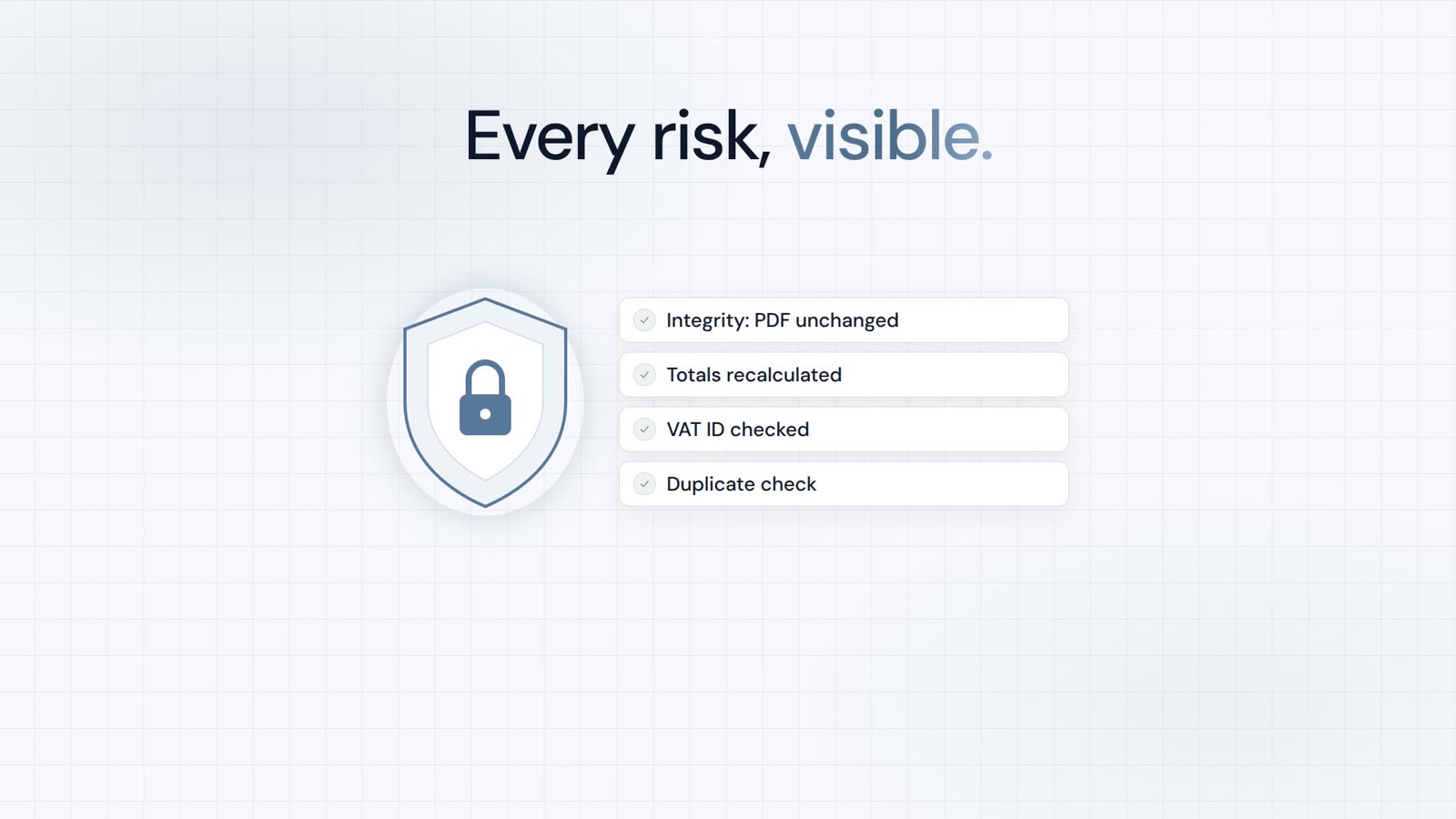
After completion, PaperOffice generates a certificate and merges it with the original PDF. It includes SMS verification with timestamp, device and IP data, GPS coordinates with a map screenshot, the chronological audit trail, and the SHA-256 integrity hash — including a statement of the signature level (SES under eIDAS).