












Đạo luật AI của EU là gì?
Đạo luật AI của EU (Quy định (EU) 2024/1689) là luật toàn diện đầu tiên trên thế giới quy định về trí tuệ nhân tạo. Có hiệu lực từ ngày 1 tháng 8 năm 2024, luật này đang được triển khai theo từng giai đoạn cho đến năm 2027. Mục tiêu: đảm bảo AI ở châu Âu an toàn, minh bạch và tôn trọng các quyền cơ bản — mà không kìm hãm sự đổi mới.
Đối với các doanh nghiệp sử dụng Document AI, AI-IDP hoặc các hệ thống ra quyết định tự động, quy định này không phải là một mối lo xa vời. Hầu hết các nghĩa vụ có hiệu lực vào ngày 2 tháng 8 năm 2026 — chưa đầy bốn tháng kể từ hôm nay.
Lộ trình: Khi nào các quy tắc được áp dụng?
Đạo luật AI của EU đang được thực thi theo bốn giai đoạn:
| Ngày | Điều gì xảy ra |
|---|---|
| Tháng 2 năm 2025 | Cấm các hệ thống AI không thể chấp nhận được (chấm điểm xã hội, AI thao túng, giám sát sinh trắc học thời gian thực) |
| Tháng 8 năm 2025 | Các quy tắc cho AI đa năng (GPAI) và các mô hình AI có rủi ro hệ thống |
| Tháng 8 năm 2026 | Các nghĩa vụ chính đối với hệ thống AI có rủi ro cao, yêu cầu minh bạch, đánh giá sự phù hợp |
| Tháng 8 năm 2027 | Các nghĩa vụ đối với AI có rủi ro cao trong các sản phẩm được quản lý (thiết bị y tế, phương tiện giao thông, v.v.) |
Tháng 8 năm 2026 là thời hạn quan trọng đối với hầu hết các doanh nghiệp. Kể từ thời điểm đó, các hệ thống AI có rủi ro cao phải trải qua các quy trình đánh giá sự phù hợp, các hệ thống quản lý rủi ro phải được thiết lập và các yêu cầu tài liệu mở rộng phải được đáp ứng.

Tổng quan về bốn loại rủi ro
Trọng tâm của Đạo luật AI của EU là cách tiếp cận dựa trên rủi ro. Rủi ro của hệ thống AI càng cao thì các yêu cầu càng nghiêm ngặt:
Rủi ro không thể chấp nhận được — Bị cấm
Các hệ thống vi phạm các quyền cơ bản: chấm điểm xã hội, AI thao túng, giám sát sinh trắc học hàng loạt. Những hệ thống này đã bị cấm từ tháng 2 năm 2025.
Rủi ro cao — Được quản lý nghiêm ngặt
Các hệ thống AI trong các lĩnh vực nhạy cảm: đánh giá khả năng tín dụng, quản lý tuyển dụng, cơ sở hạ tầng quan trọng, thực thi pháp luật. Yêu cầu đánh giá sự phù hợp, quản lý rủi ro và sự giám sát của con người.
Rủi ro hạn chế — Nghĩa vụ minh bạch
Chatbot, deepfake, nhận diện cảm xúc: người dùng phải được thông báo rằng họ đang tương tác với AI.
Rủi ro tối thiểu — Không có yêu cầu
Bộ lọc thư rác, AI trong trò chơi điện tử, hệ thống gợi ý. Không có yêu cầu pháp lý.
Điều này có ý nghĩa gì đối với Document AI và AI-IDP?
Đối với các doanh nghiệp sử dụng Xử lý tài liệu thông minh (AI-IDP), câu hỏi chính là: Document AI thuộc loại rủi ro nào?
Tin tốt: hầu hết các ứng dụng Document AI đều thuộc loại rủi ro hạn chế hoặc tối thiểu:
- OCR và nhận dạng văn bản: Rủi ro tối thiểu — không có nghĩa vụ pháp lý
- Phân loại tài liệu: Rủi ro tối thiểu — phân loại tự động hóa đơn, hợp đồng, v.v.
- Trích xuất dữ liệu từ biểu mẫu: Rủi ro tối thiểu — dữ liệu có cấu trúc từ các tài liệu không có cấu trúc
- Chatbot hỗ trợ AI cho dịch vụ khách hàng: Rủi ro hạn chế — nghĩa vụ minh bạch (người dùng phải biết họ đang nói chuyện với AI)
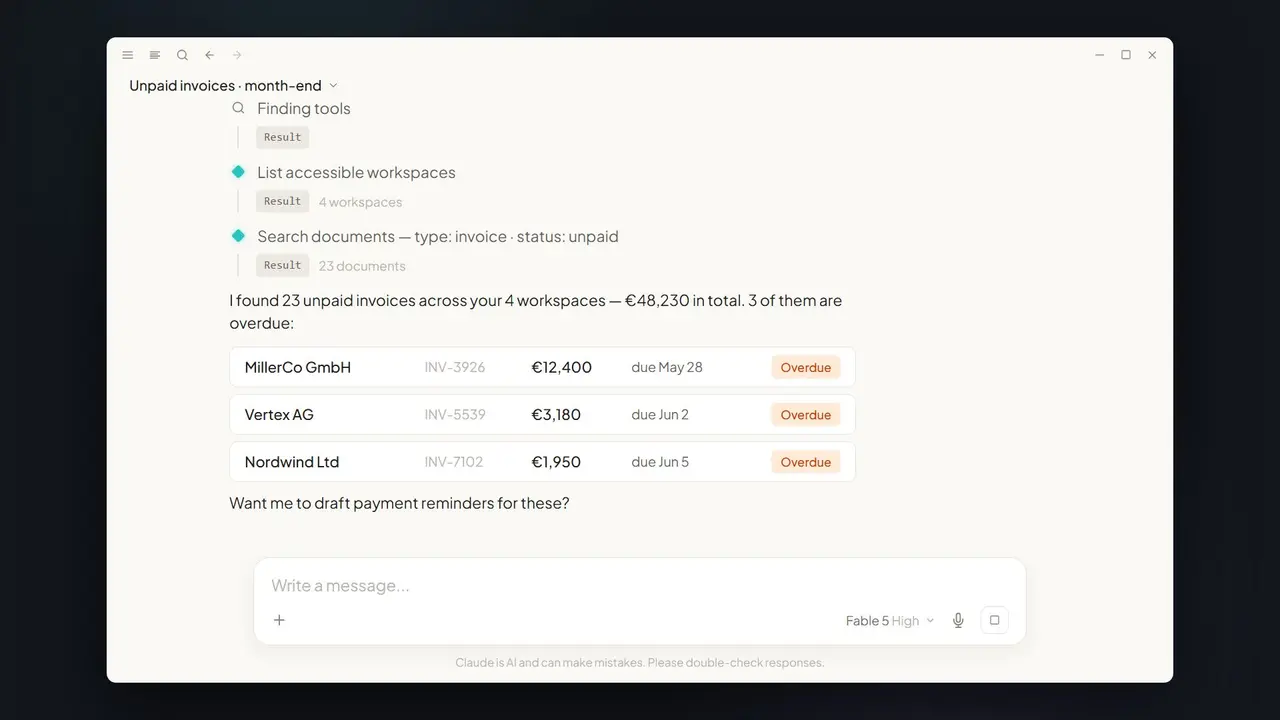
Cần thận trọng khi Document AI được sử dụng cho các quyết định tự động ảnh hưởng đáng kể đến cá nhân — chẳng hạn như đánh giá tín dụng tự động dựa trên tài liệu hoặc sàng lọc trước ứng viên do AI điều khiển.

5 việc doanh nghiệp phải làm ngay bây giờ
Bất kể loại rủi ro nào, chúng tôi khuyên mọi doanh nghiệp sử dụng hệ thống AI nên thực hiện năm bước sau:
1. Tạo danh mục AI
Có cái nhìn tổng quan đầy đủ về tất cả các hệ thống AI trong tổ chức của bạn. Phần mềm nào sử dụng AI? Những quyết định nào được tự động hóa? Dữ liệu cá nhân được xử lý ở đâu?
2. Tiến hành đánh giá rủi ro
Phân loại từng hệ thống AI vào một trong bốn loại rủi ro. Sử dụng các tiêu chí từ Phụ lục III của Đạo luật AI của EU. Khi nghi ngờ: hãy tìm kiếm lời khuyên chuyên môn.
3. Xây dựng tài liệu
Các hệ thống rủi ro cao yêu cầu tài liệu kỹ thuật mở rộng: dữ liệu đào tạo, chỉ số hiệu suất, biện pháp quản lý rủi ro, giao thức kiểm tra. Hãy bắt đầu ngay bây giờ — việc lập tài liệu hồi tố tốn kém hơn đáng kể.
4. Đảm bảo Human-in-the-Loop
Các quyết định tự động ảnh hưởng đáng kể đến cá nhân đòi hỏi sự giám sát của con người. Triển khai các lộ trình leo thang và cơ chế đánh giá rõ ràng.
5. Đánh giá nhà cung cấp của bạn
Nếu bạn sử dụng hệ thống AI của bên thứ ba, hãy xác minh sự tuân thủ Đạo luật AI của EU của họ. Yêu cầu các tuyên bố về sự phù hợp. Ưu tiên các nhà cung cấp có lưu trữ tại EU và sự tuân thủ có thể chứng minh được.
Cách PaperOffice AI đã tuân thủ
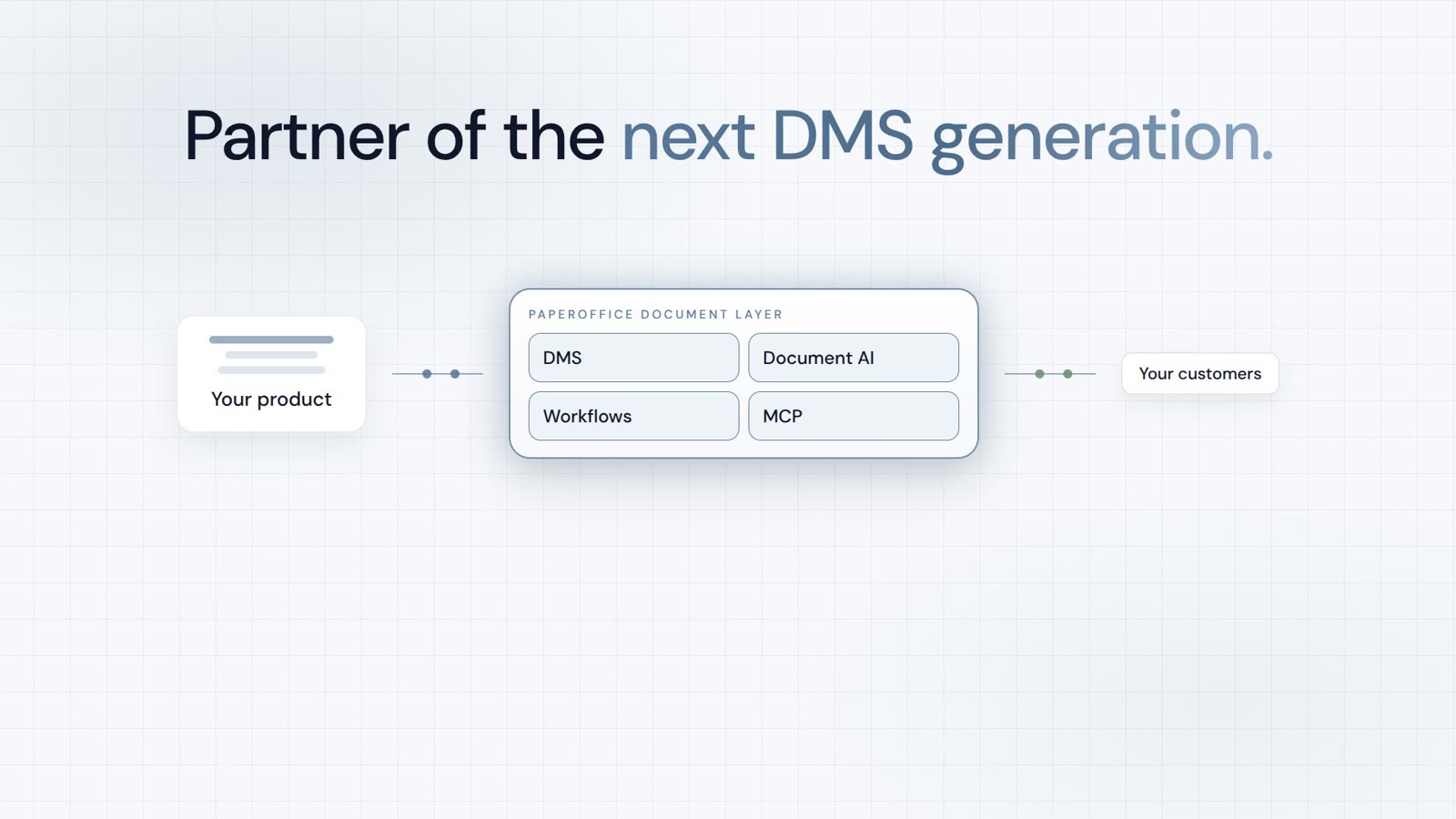
PaperOffice AI được xây dựng từ đầu với các giá trị châu Âu và các tiêu chuẩn bảo mật cao nhất. Nền tảng Document AI của chúng tôi đã đáp ứng các yêu cầu của Đạo luật AI của EU:
- Lưu trữ 100% tại EU: Tất cả dữ liệu được xử lý độc quyền tại các trung tâm dữ liệu của Đức và châu Âu — không chuyển dữ liệu sang các nước thứ ba
- Tuân thủ GDPR: Tuân thủ đầy đủ Quy định bảo vệ dữ liệu chung, Quyền riêng tư theo thiết kế
- SOC 2 và ISO 27001: Bảo mật thông tin được chứng nhận với các cuộc kiểm toán định kỳ
- Human-in-the-Loop: Tích hợp đánh giá của con người cho các quyết định quan trọng — không tự động hóa hộp đen
- AI minh bạch: Các quyết định có thể truy xuất nguồn gốc, dấu vết kiểm toán đầy đủ, kết quả có thể giải thích được
- Tài liệu kỹ thuật: Tài liệu API toàn diện, chỉ số hiệu suất và giao thức kiểm tra cho tất cả 300+ công cụ AI
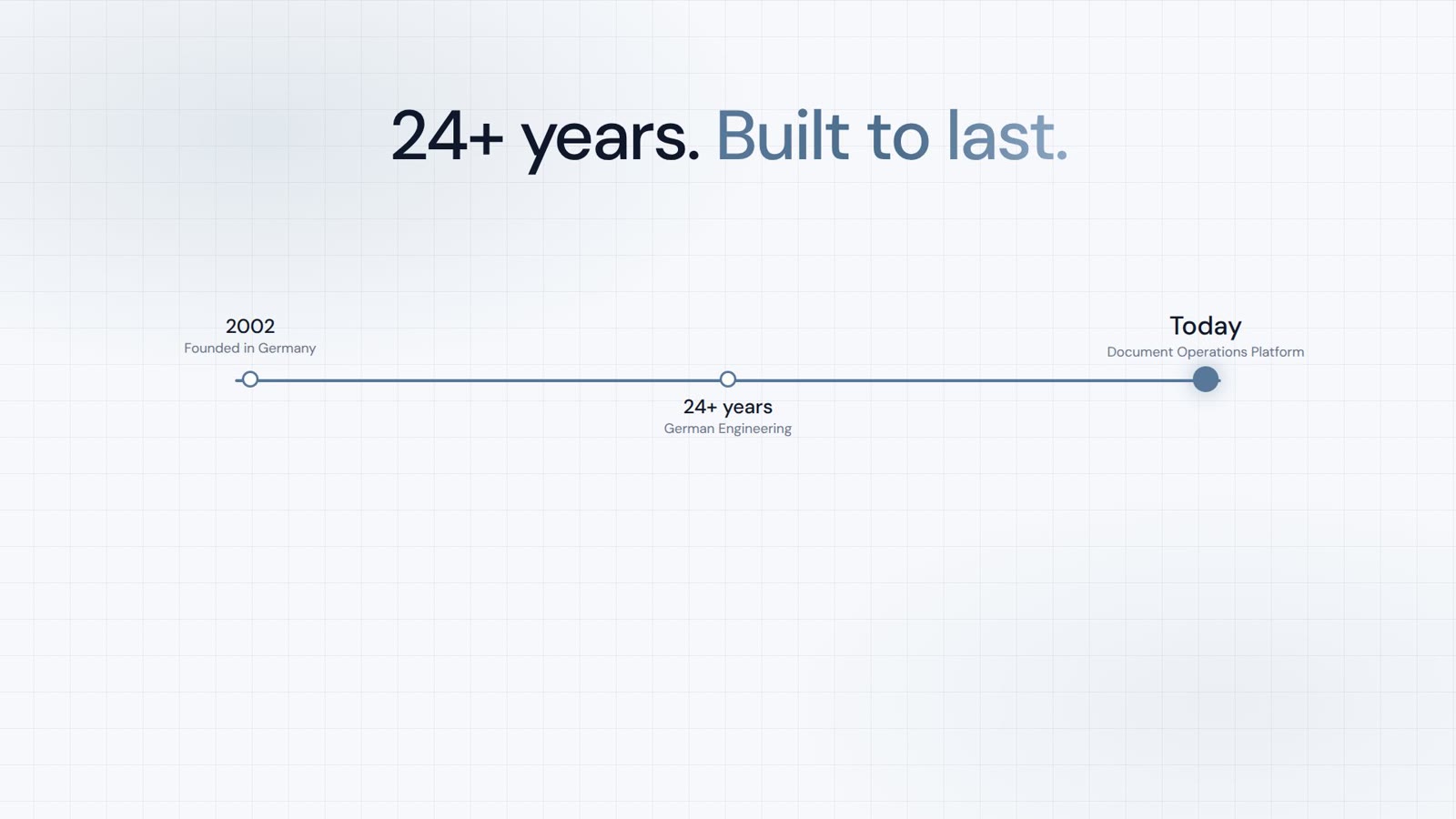
Với hơn 24 năm kinh nghiệm trong lĩnh vực xử lý tài liệu và tập trung vào bảo mật doanh nghiệp, chúng tôi tin rằng: quy định và đổi mới không phải là những mâu thuẫn. Đạo luật AI của EU tạo ra niềm tin — và niềm tin là nền tảng cho việc áp dụng AI rộng rãi trong các doanh nghiệp châu Âu.
Đạo luật AI của EU không phải là một rào cản, mà là một cơ hội: các doanh nghiệp đầu tư vào sự tuân thủ ngay bây giờ sẽ đạt được lợi thế cạnh tranh bền vững so với các nhà cung cấp phớt lờ quy định.