












ما هو قانون الذكاء الاصطناعي للاتحاد الأوروبي؟
إن قانون الذكاء الاصطناعي للاتحاد الأوروبي (اللائحة (EU) 2024/1689) هو أول قانون شامل في العالم ينظم الذكاء الاصطناعي. دخل حيز التنفيذ في 1 أغسطس 2024، ويتم تنفيذه على مراحل حتى عام 2027. الهدف: ضمان أن يكون الذكاء الاصطناعي في أوروبا آمنًا وشفافًا ويحترم الحقوق الأساسية - دون خنق الابتكار.
بالنسبة للشركات التي تستخدم الذكاء الاصطناعي للمستندات، أو التعرف الذكي على المستندات، أو أنظمة اتخاذ القرار الآلية، فإن هذه اللائحة هي ليست مصدر قلق بعيد. معظم الالتزامات تدخل حيز التنفيذ في 2 أغسطس 2026 — أي أقل من أربعة أشهر من اليوم.
الجدول الزمني: متى تنطبق القواعد؟
يتم تطبيق قانون الذكاء الاصطناعي للاتحاد الأوروبي على أربع مراحل:
| التاريخ | ما يحدث |
|---|---|
| فبراير 2025 | حظر أنظمة الذكاء الاصطناعي غير المقبولة (التصنيف الاجتماعي، الذكاء الاصطناعي التلاعبي، المراقبة البيومترية في الوقت الفعلي) |
| أغسطس 2025 | قواعد الذكاء الاصطناعي للأغراض العامة ونماذج الذكاء الاصطناعي ذات المخاطر النظامية |
| أغسطس 2026 | الالتزامات الرئيسية لأنظمة الذكاء الاصطناعي عالية المخاطر، متطلبات الشفافية، تقييمات المطابقة |
| أغسطس 2027 | الالتزامات لأنظمة الذكاء الاصطناعي عالية المخاطر في المنتجات الخاضعة للتنظيم (الأجهزة الطبية، المركبات، إلخ) |
أغسطس 2026 هو الموعد النهائي الحاسم لمعظم الشركات. من تلك النقطة، يجب أن تخضع أنظمة الذكاء الاصطناعي عالية المخاطر لإجراءات تقييم المطابقة، ويجب أن تكون أنظمة إدارة المخاطر في مكانها، ويجب استيفاء متطلبات التوثيق الشاملة.
فئات المخاطر الأربعة في لمحة
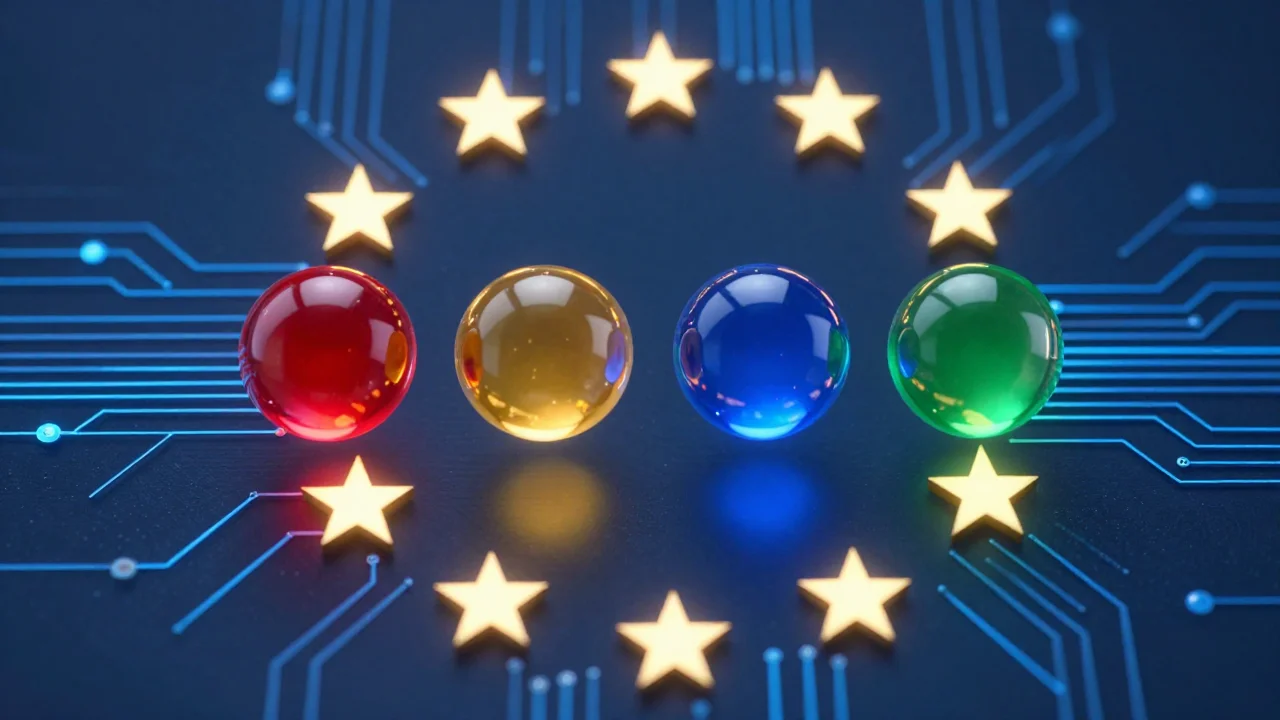
في صميم قانون الذكاء الاصطناعي للاتحاد الأوروبي يوجد نهج قائم على المخاطر. كلما زادت مخاطر نظام الذكاء الاصطناعي، زادت صرامة المتطلبات:
مخاطر غير مقبولة — محظورة
الأنظمة التي تنتهك الحقوق الأساسية: التصنيف الاجتماعي، الذكاء الاصطناعي التلاعبي، المراقبة البيومترية الجماعية. تم حظرها منذ فبراير 2025.
مخاطر عالية — منظمة بصرامة
أنظمة الذكاء الاصطناعي في المجالات الحساسة: تقييم الجدارة الائتمانية، إدارة التوظيف، البنية التحتية الحيوية، إنفاذ القانون. تتطلب تقييم المطابقة، إدارة المخاطر، والإشراف البشري.
مخاطر محدودة — التزامات الشفافية
روبوتات المحادثة، التزييف العميق، التعرف على المشاعر: يجب إعلام المستخدمين بأنهم يتفاعلون مع الذكاء الاصطناعي.
مخاطر دنيا — لا توجد متطلبات
مرشحات البريد العشوائي، الذكاء الاصطناعي في ألعاب الفيديو، أنظمة التوصية. لا توجد متطلبات تنظيمية.
ماذا يعني هذا بالنسبة للذكاء الاصطناعي للمستندات ومعالجة المستندات الذكية بالذكاء الاصطناعي؟
بالنسبة للشركات التي تستخدم معالجة المستندات الذكية (AI-IDP)، السؤال الرئيسي هو: في أي فئة مخاطر يقع الذكاء الاصطناعي للمستندات؟
الخبر السار: معظم تطبيقات الذكاء الاصطناعي للمستندات تقع ضمن فئات المخاطر المحدودة أو الدنيا:
- OCR والتعرف على النصوص: مخاطر دنيا — لا توجد التزامات تنظيمية
- تصنيف المستندات: مخاطر دنيا — فرز تلقائي للفواتير والعقود وغيرها
- استخراج البيانات من النماذج: الحد الأدنى من المخاطر — بيانات منظمة من مستندات غير منظمة
- روبوتات الدردشة المدعومة بالذكاء الاصطناعي لخدمة العملاء: مخاطر محدودة — التزام بالشفافية (يجب أن يعرف المستخدمون أنهم يتحدثون إلى ذكاء اصطناعي)
يجب توخي الحذر عند استخدام الذكاء الاصطناعي للمستندات فيالقرارات الآلية التي تؤثر بشكل كبير على الأفراد — مثل التقييمات الائتمانية الآلية بناءً على المستندات أو الفحص المسبق للمتقدمين المدعوم بالذكاء الاصطناعي.

5 أشياء يجب على الشركات فعلها الآن
بغض النظر عن فئة المخاطر، نوصي كل شركة تستخدم أنظمة الذكاء الاصطناعي باتخاذ هذه الخطوات الخمس:
1. إنشاء جرد للذكاء الاصطناعي
احصل على نظرة شاملة لجميع أنظمة الذكاء الاصطناعي في مؤسستك. أي برنامج يستخدم الذكاء الاصطناعي؟ أي القرارات تتم آليًا؟ أين تتم معالجة البيانات الشخصية؟
2. إجراء تقييم للمخاطر
صنف كل نظام ذكاء اصطناعي إلى إحدى فئات المخاطر الأربع. استخدم المعايير من الملحق الثالث لقانون الذكاء الاصطناعي الأوروبي. في حالة الشك: استشر خبيرًا.
3. بناء التوثيق
تتطلب الأنظمة عالية المخاطر توثيقًا تقنيًا شاملاً: بيانات التدريب، مقاييس الأداء، تدابير إدارة المخاطر، بروتوكولات الاختبار. ابدأ الآن — فالتوثيق بأثر رجعي أكثر تكلفة بكثير.
4. ضمان وجود إشراف بشري
تتطلب القرارات الآلية التي تؤثر بشكل كبير على الأفراد إشرافًا بشريًا. نفذ مسارات تصعيد واضحة وآليات مراجعة.
5. تقييم مورديك
إذا كنت تستخدم أنظمة ذكاء اصطناعي تابعة لجهات خارجية، فتحقق من امتثالها لقانون الذكاء الاصطناعي للاتحاد الأوروبي. اطلب إعلانات المطابقة. فضّل الموردين الذين يستضيفون في الاتحاد الأوروبي ولديهم امتثال قابل للإثبات.
كيف PaperOffice AI متوافق بالفعل
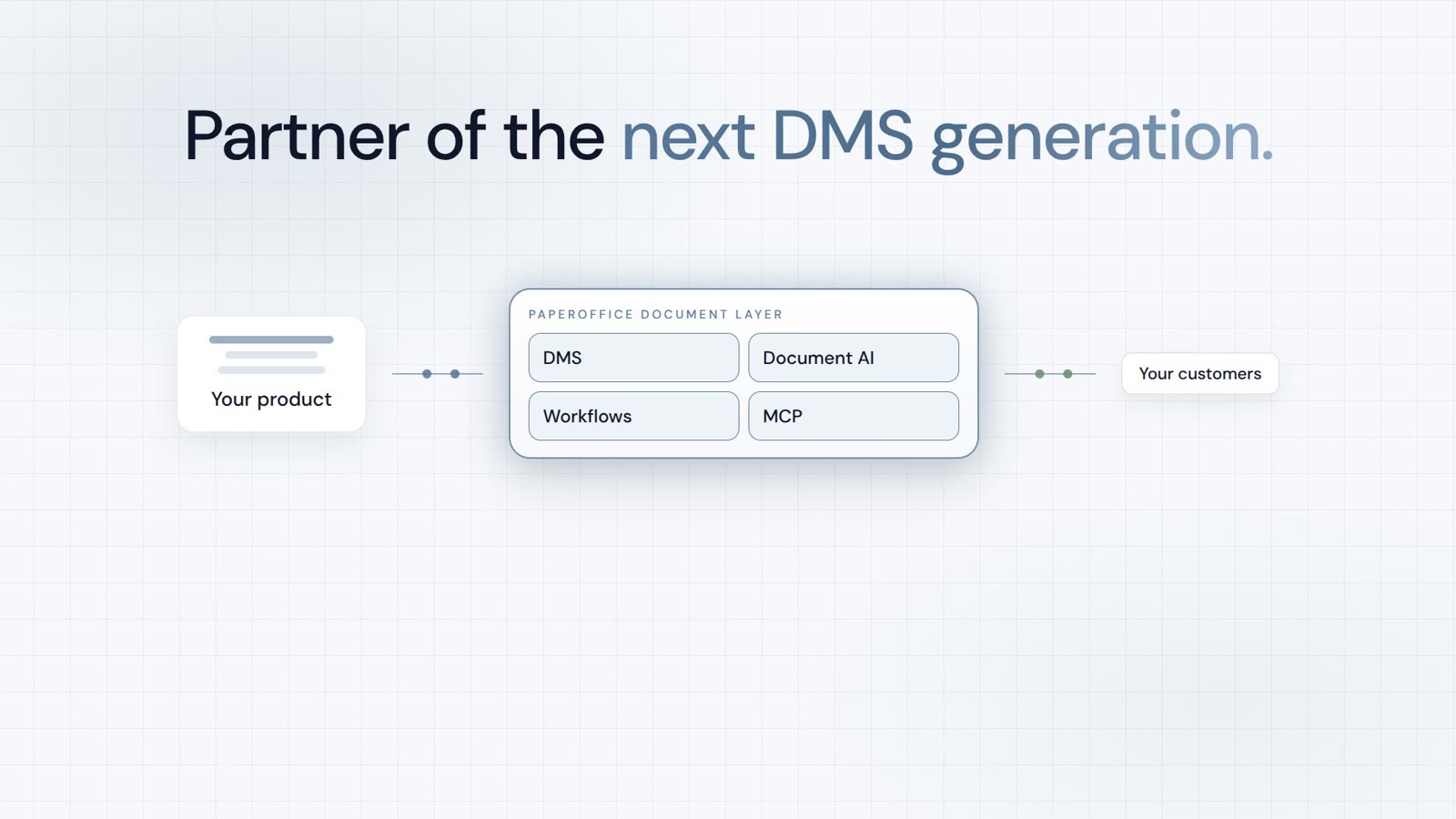
تم بناء PaperOffice AI من الألف إلى الياء وفقًا للقيم الأوروبية وأعلى معايير الأمان. منصة الذكاء الاصطناعي للمستندات لدينا تلبي بالفعل متطلبات قانون الذكاء الاصطناعي للاتحاد الأوروبي:
- استضافة 100% في الاتحاد الأوروبي: تتم معالجة جميع البيانات حصريًا في مراكز بيانات ألمانية وأوروبية — لا نقل إلى دول ثالثة
- GDPR Compliant:متوافق مع اللائحة العامة لحماية البيانات:
- الامتثال الكامل للائحة العامة لحماية البيانات، الخصوصية حسب التصميمSOC 2 وISO 27001:
- أمن معلومات معتمد مع تدقيقات منتظمةالإنسان في الحلقة:
- مراجعة بشرية مدمجة للقرارات الحاسمة — لا أتمتة صندوق أسودذكاء اصطناعي شفاف:
- قرارات قابلة للتتبع، مسارات تدقيق كاملة، نتائج قابلة للتفسيروثائق تقنية:API وثائق شاملة، مقاييس أداء، وبروتوكولات اختبار لجميع أدوات الذكاء الاصطناعي البالغ عددها 300+
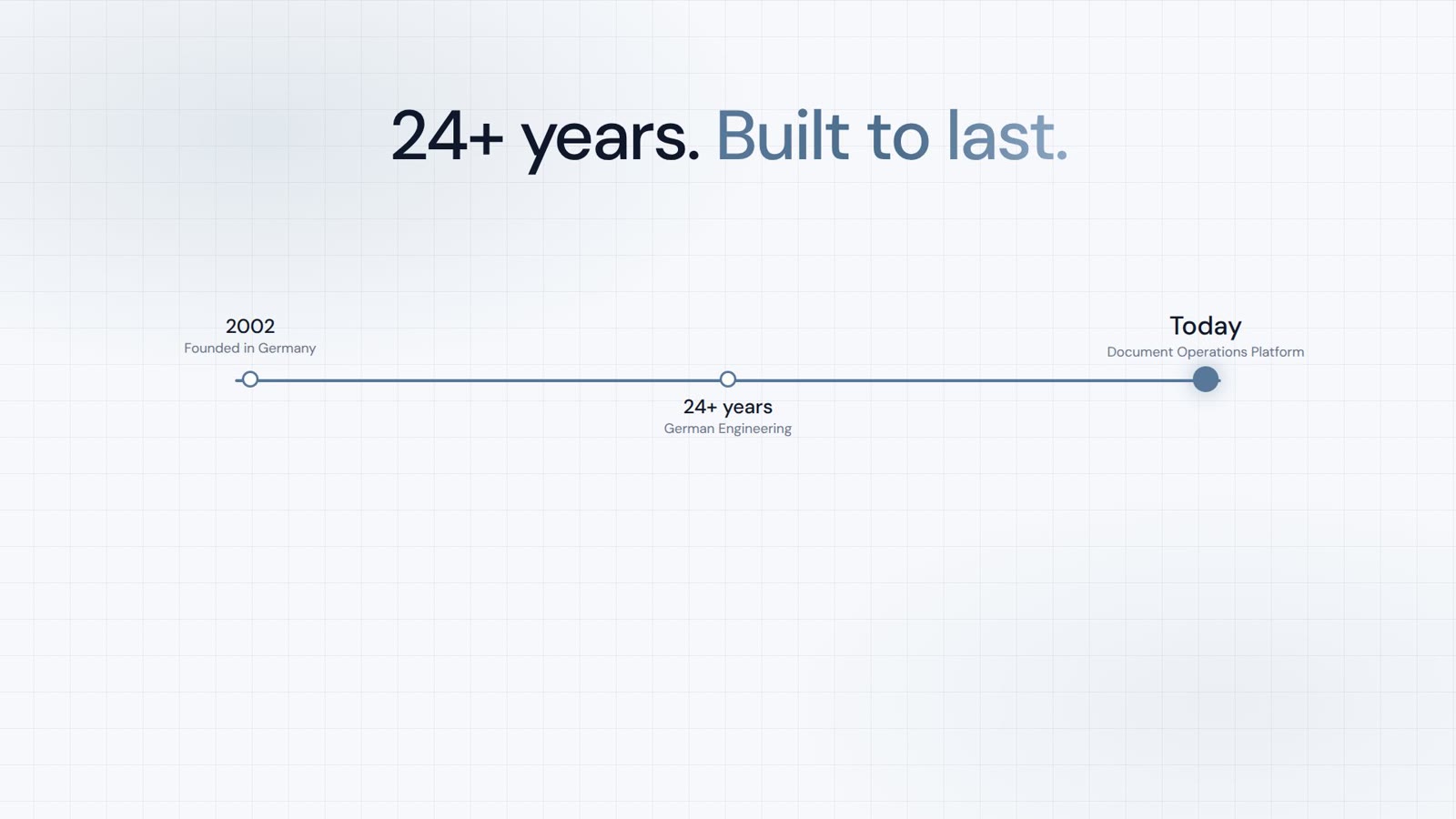
مع أكثر من 24 عامًا من الخبرة في معالجة المستندات والتركيز على أمان المؤسسات، نحن مقتنعون: التنظيم والابتكار ليسا متناقضين. يخلق قانون الذكاء الاصطناعي للاتحاد الأوروبي الثقة — والثقة هي الأساس لاعتماد الذكاء الاصطناعي على نطاق واسع في الشركات الأوروبية.
قانون الذكاء الاصطناعي للاتحاد الأوروبي ليس عقبة، بل فرصة: الشركات التي تستثمر في الامتثال الآن تحصل على ميزة تنافسية مستدامة على مقدمي الخدمات الذين يتجاهلون اللوائح.