











EU AI Act คืออะไร?
EU AI Act (กฎระเบียบ (EU) 2024/1689) เป็นกฎหมายฉบับสมบูรณ์ฉบับแรกของโลกที่ควบคุมปัญญาประดิษฐ์ โดยมีผลบังคับใช้เมื่อวันที่ 1 สิงหาคม 2024 และกำลังทยอยดำเนินการเป็นระยะจนถึงปี 2027 เป้าหมายคือเพื่อให้แน่ใจว่า AI ในยุโรปมีความปลอดภัย โปร่งใส และเคารพสิทธิขั้นพื้นฐาน โดยไม่ขัดขวางนวัตกรรม
สำหรับธุรกิจที่ใช้ Document AI, AI-IDP หรือระบบการตัดสินใจอัตโนมัติ กฎระเบียบนี้ไม่ใช่เรื่องไกลตัว ข้อกำหนดส่วนใหญ่จะมีผลบังคับใช้ในวันที่ 2 สิงหาคม 2026 ซึ่งเหลือเวลาอีกไม่ถึงสี่เดือนจากวันนี้
ไทม์ไลน์: กฎระเบียบมีผลบังคับใช้เมื่อใด?
EU AI Act จะถูกบังคับใช้ในสี่ระยะ:
| วันที่ | สิ่งที่เกิดขึ้น |
|---|---|
| กุมภาพันธ์ 2025 | ห้ามใช้ระบบ AI ที่ยอมรับไม่ได้ (การให้คะแนนทางสังคม, AI ที่บงการพฤติกรรม, การเฝ้าระวังทางชีวภาพแบบเรียลไทม์) |
| สิงหาคม 2025 | กฎสำหรับ AI อเนกประสงค์ (GPAI) และโมเดล AI ที่มีความเสี่ยงเชิงระบบ |
| สิงหาคม 2026 | ข้อกำหนดหลักสำหรับระบบ AI ความเสี่ยงสูง, ข้อกำหนดด้านความโปร่งใส, การประเมินความสอดคล้อง |
| สิงหาคม 2027 | ข้อกำหนดสำหรับ AI ความเสี่ยงสูงในผลิตภัณฑ์ที่มีการควบคุม (อุปกรณ์ทางการแพทย์, ยานพาหนะ ฯลฯ) |
สิงหาคม 2026 คือกำหนดการที่สำคัญที่สุดสำหรับธุรกิจส่วนใหญ่ ตั้งแต่นั้นเป็นต้นไป ระบบ AI ความเสี่ยงสูงจะต้องผ่านขั้นตอนการประเมินความสอดคล้อง ต้องมีระบบการจัดการความเสี่ยง และต้องปฏิบัติตามข้อกำหนดด้านเอกสารอย่างละเอียด

สรุปหมวดหมู่ความเสี่ยงทั้งสี่
หัวใจสำคัญของ EU AI Act คือแนวทางที่อิงตามความเสี่ยง ยิ่งระบบ AI มีความเสี่ยงสูง ข้อกำหนดก็จะยิ่งเข้มงวดมากขึ้น:
ความเสี่ยงที่ยอมรับไม่ได้ — ห้ามใช้
ระบบที่ละเมิดสิทธิขั้นพื้นฐาน: การให้คะแนนทางสังคม, AI ที่บงการพฤติกรรม, การเฝ้าระวังทางชีวภาพในวงกว้าง ซึ่งถูกห้ามใช้ตั้งแต่เดือนกุมภาพันธ์ 2025
ความเสี่ยงสูง — ควบคุมอย่างเข้มงวด
ระบบ AI ในด้านที่ละเอียดอ่อน: การประเมินความน่าเชื่อถือทางเครดิต, การจัดการการสรรหาบุคลากร, โครงสร้างพื้นฐานที่สำคัญ, การบังคับใช้กฎหมาย จำเป็นต้องมีการประเมินความสอดคล้อง, การจัดการความเสี่ยง และการกำกับดูแลโดยมนุษย์
ความเสี่ยงจำกัด — ข้อกำหนดด้านความโปร่งใส
แชทบอท, Deepfakes, การจดจำอารมณ์: ผู้ใช้ต้องได้รับแจ้งว่ากำลังโต้ตอบกับ AI
ความเสี่ยงน้อยที่สุด — ไม่มีข้อกำหนด
ตัวกรองสแปม, AI ในวิดีโอเกม, ระบบแนะนำ ไม่มีข้อกำหนดด้านกฎระเบียบ
สิ่งนี้หมายความว่าอย่างไรสำหรับ Document AI และ AI-IDP?
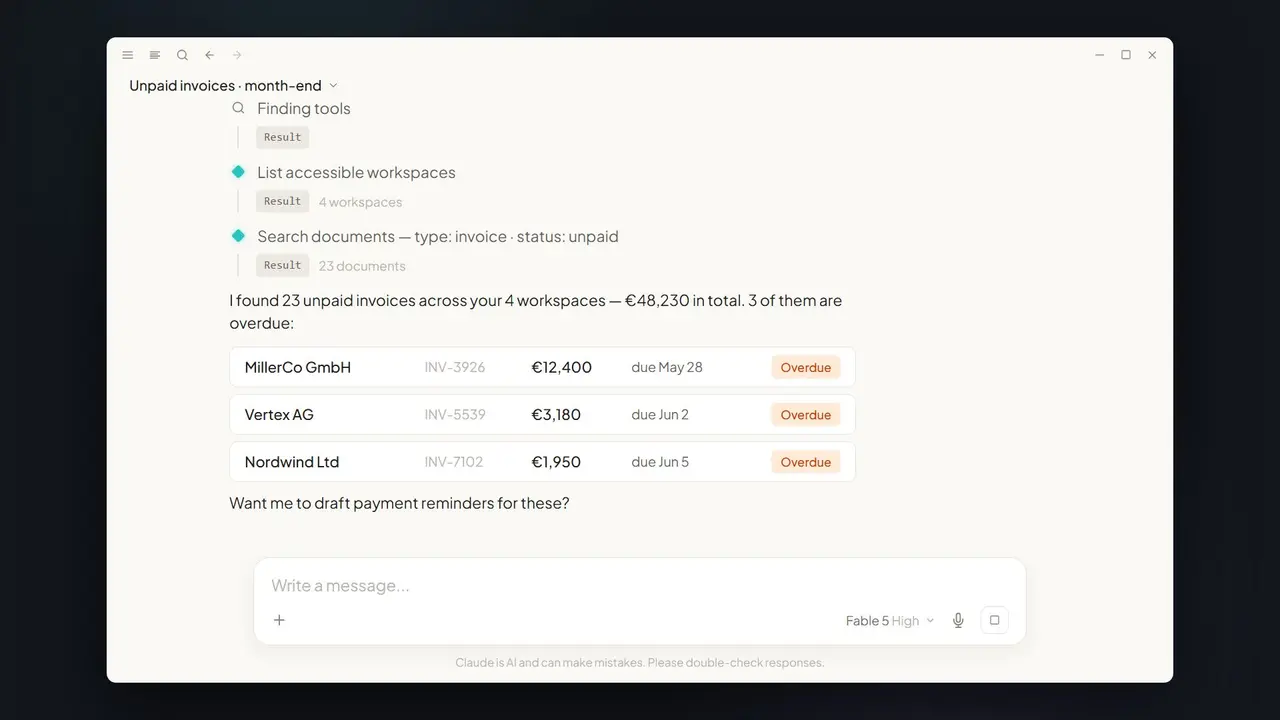
สำหรับธุรกิจที่ใช้ Intelligent Document Processing (AI-IDP) คำถามสำคัญคือ: Document AI จัดอยู่ในหมวดหมู่ความเสี่ยงใด?
ข่าวดีคือ: แอปพลิเคชัน Document AI ส่วนใหญ่จัดอยู่ในหมวดหมู่ความเสี่ยงจำกัดหรือความเสี่ยงน้อยที่สุด:
- OCR และการจดจำข้อความ: ความเสี่ยงน้อยที่สุด — ไม่มีข้อกำหนดด้านกฎระเบียบ
- การจัดหมวดหมู่เอกสาร: ความเสี่ยงน้อยที่สุด — การจัดเรียงใบแจ้งหนี้ สัญญา ฯลฯ โดยอัตโนมัติ
- การดึงข้อมูลจากแบบฟอร์ม: ความเสี่ยงน้อยที่สุด — ข้อมูลที่มีโครงสร้างจากเอกสารที่ไม่มีโครงสร้าง
- แชทบอท AI สำหรับบริการลูกค้า: ความเสี่ยงจำกัด — ข้อกำหนดด้านความโปร่งใส (ผู้ใช้ต้องทราบว่ากำลังคุยกับ AI)
ควรใช้ความระมัดระวังเมื่อ Document AI ถูกนำไปใช้ในการตัดสินใจอัตโนมัติที่มีผลกระทบอย่างมีนัยสำคัญต่อบุคคล เช่น การประเมินเครดิตอัตโนมัติจากเอกสาร หรือการคัดกรองผู้สมัครงานด้วย AI

5 สิ่งที่ธุรกิจต้องทำตอนนี้
ไม่ว่าจะเป็นความเสี่ยงระดับใด เราขอแนะนำให้ทุกธุรกิจที่ใช้ระบบ AI ดำเนินการ 5 ขั้นตอนนี้:
1. สร้างรายการทรัพย์สิน AI
ทำความเข้าใจภาพรวมของระบบ AI ทั้งหมดในองค์กรของคุณ ซอฟต์แวร์ใดบ้างที่ใช้ AI? การตัดสินใจใดบ้างที่เป็นอัตโนมัติ? ข้อมูลส่วนบุคคลถูกประมวลผลที่ไหน?
2. ดำเนินการประเมินความเสี่ยง
จัดหมวดหมู่ระบบ AI แต่ละระบบให้อยู่ในหนึ่งในสี่ระดับความเสี่ยง ใช้เกณฑ์จากภาคผนวก III ของ EU AI Act หากไม่แน่ใจ: ให้ขอคำแนะนำจากผู้เชี่ยวชาญ
3. จัดทำเอกสาร
ระบบความเสี่ยงสูงต้องการเอกสารทางเทคนิคที่ครอบคลุม: ข้อมูลการฝึกอบรม, ตัวชี้วัดประสิทธิภาพ, มาตรการจัดการความเสี่ยง, โปรโตคอลการทดสอบ เริ่มต้นตอนนี้เลย — การทำเอกสารย้อนหลังมีค่าใช้จ่ายสูงกว่ามาก
4. รับรอง Human-in-the-Loop
การตัดสินใจอัตโนมัติที่มีผลกระทบอย่างมีนัยสำคัญต่อบุคคลจำเป็นต้องมีการกำกับดูแลโดยมนุษย์ ควรมีเส้นทางการยกระดับปัญหาและกลไกการตรวจสอบที่ชัดเจน
5. ประเมินผู้ให้บริการของคุณ
หากคุณใช้ระบบ AI ของบุคคลที่สาม ให้ตรวจสอบการปฏิบัติตาม EU AI Act ของพวกเขา ขอคำประกาศความสอดคล้อง เลือกผู้ให้บริการที่มีการโฮสต์ใน EU และสามารถพิสูจน์การปฏิบัติตามกฎระเบียบได้
ทำไม PaperOffice AI ถึงปฏิบัติตามกฎระเบียบแล้ว
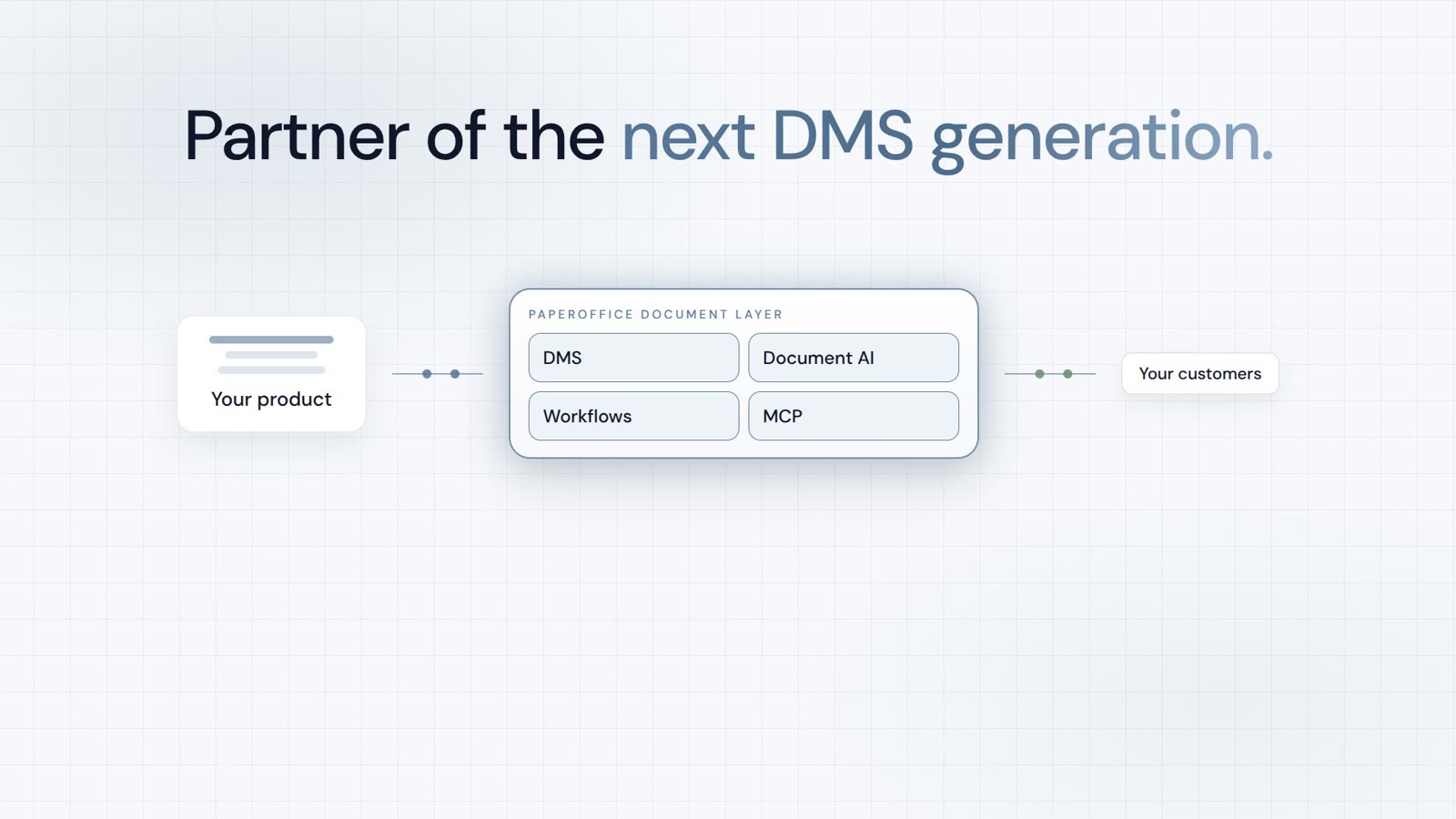
PaperOffice AI ถูกสร้างขึ้นโดยยึดมั่นในค่านิยมยุโรปและมาตรฐานความปลอดภัยสูงสุด แพลตฟอร์ม Document AI ของเราเป็นไปตามข้อกำหนดของ EU AI Act แล้ว:
- โฮสต์ใน EU 100%: ข้อมูลทั้งหมดถูกประมวลผลในศูนย์ข้อมูลในเยอรมนีและยุโรปเท่านั้น — ไม่มีการโอนข้อมูลไปยังประเทศที่สาม
- ปฏิบัติตาม GDPR: ปฏิบัติตามกฎระเบียบการคุ้มครองข้อมูลทั่วไปอย่างเต็มรูปแบบ, Privacy by Design
- SOC 2 และ ISO 27001: ความปลอดภัยของข้อมูลที่ได้รับการรับรองพร้อมการตรวจสอบเป็นประจำ
- Human-in-the-Loop: การตรวจสอบโดยมนุษย์แบบบูรณาการสำหรับการตัดสินใจที่สำคัญ — ไม่มีการทำงานแบบกล่องดำ
- AI ที่โปร่งใส: การตัดสินใจที่ตรวจสอบย้อนกลับได้, บันทึกการตรวจสอบที่สมบูรณ์, ผลลัพธ์ที่อธิบายได้
- เอกสารทางเทคนิค: เอกสาร API ที่ครอบคลุม, ตัวชี้วัดประสิทธิภาพ และโปรโตคอลการทดสอบสำหรับเครื่องมือ AI กว่า 300+ รายการ
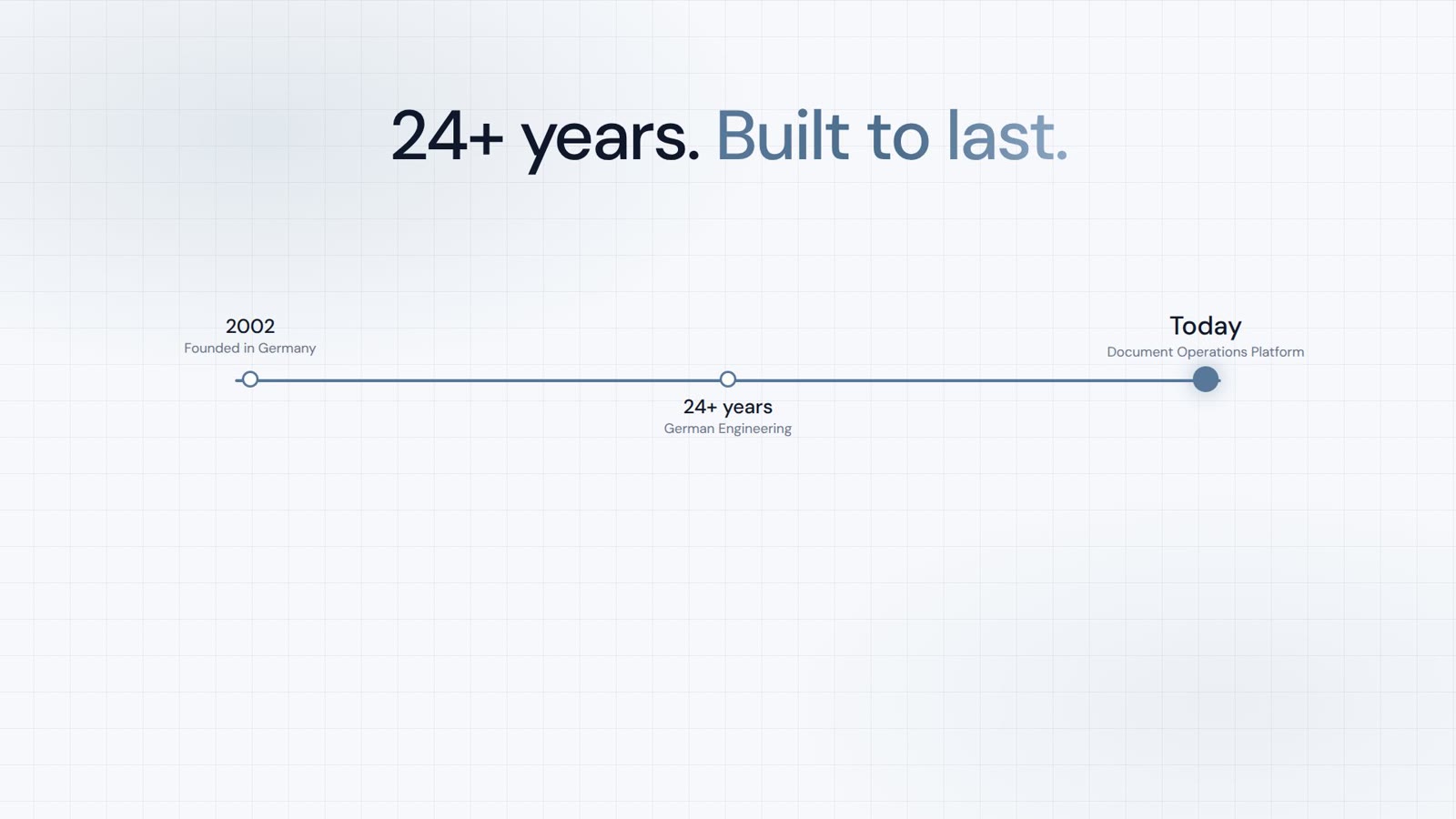
ด้วยประสบการณ์กว่า 24 ปีในการประมวลผลเอกสารและการมุ่งเน้นด้านความปลอดภัยระดับองค์กร เราเชื่อมั่นว่า: กฎระเบียบและนวัตกรรมไม่ใช่สิ่งที่ขัดแย้งกัน EU AI Act สร้างความเชื่อมั่น — และความเชื่อมั่นคือรากฐานสำหรับการนำ AI มาใช้ในวงกว้างในธุรกิจยุโรป
EU AI Act ไม่ใช่อุปสรรค แต่เป็นโอกาส: ธุรกิจที่ลงทุนในการปฏิบัติตามกฎระเบียบตั้งแต่วันนี้จะได้รับความได้เปรียบทางการแข่งขันที่ยั่งยืนเหนือผู้ให้บริการที่เพิกเฉยต่อกฎระเบียบ