












מהו חוק הבינה המלאכותית של האיחוד האירופי?
החוק הבינה המלאכותית של האיחוד האירופי (תקנה (EU) 2024/1689) הוא החוק המקיף הראשון בעולם המסדיר בינה מלאכותית. הוא נכנס לתוקף ב-1 באוגוסט 2024, ומיושם בשלבים עד 2027. המטרה: להבטיח שבינה מלאכותית באירופה תהיה בטוחה, שקופה ומכבדת זכויות יסוד — מבלי לחנוק חדשנות.
עבור עסקים המשתמשים בבינה מלאכותית למסמכים, זיהוי מסמכים חכם או מערכות קבלת החלטות אוטומטיות, תקנה זו היא לא דאגה רחוקה. רוב ההתחייבויות נכנסות לתוקף ב-2 באוגוסט 2026 — פחות מארבעה חודשים מהיום.
ציר הזמן: מתי החוקים חלים?
חוק הבינה המלאכותית של האיחוד האירופי נאכף בארבעה שלבים:
| תאריך | מה קורה |
|---|---|
| פברואר 2025 | איסורים על מערכות בינה מלאכותית בלתי קבילות (דירוג חברתי, בינה מלאכותית מניפולטיבית, מעקב ביומטרי בזמן אמת) |
| אוגוסט 2025 | חוקים לבינה מלאכותית לשימוש כללי ומודלים עם סיכון מערכתי |
| אוגוסט 2026 | התחייבויות עיקריות למערכות בינה מלאכותית בסיכון גבוה, דרישות שקיפות, הערכות התאמה |
| אוגוסט 2027 | התחייבויות לבינה מלאכותית בסיכון גבוה במוצרים מוסדרים (מכשירים רפואיים, רכבים וכו') |
אוגוסט 2026 הוא המועד הקריטי עבור רוב העסקים. מנקודה זו, מערכות בינה מלאכותית בסיכון גבוה חייבות לעבור הליכי הערכת התאמה, מערכות ניהול סיכונים חייבות להיות במקום, ויש למלא דרישות תיעוד נרחבות.
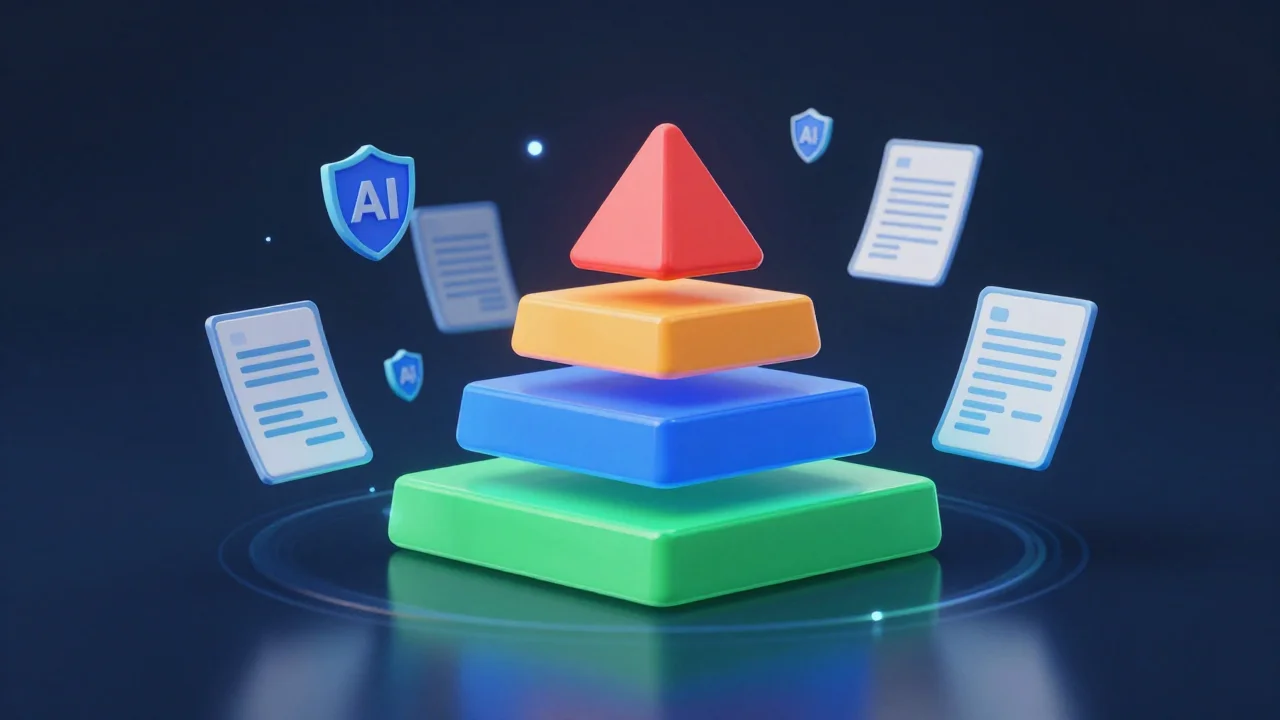
ארבע קטגוריות הסיכון במבט חטוף
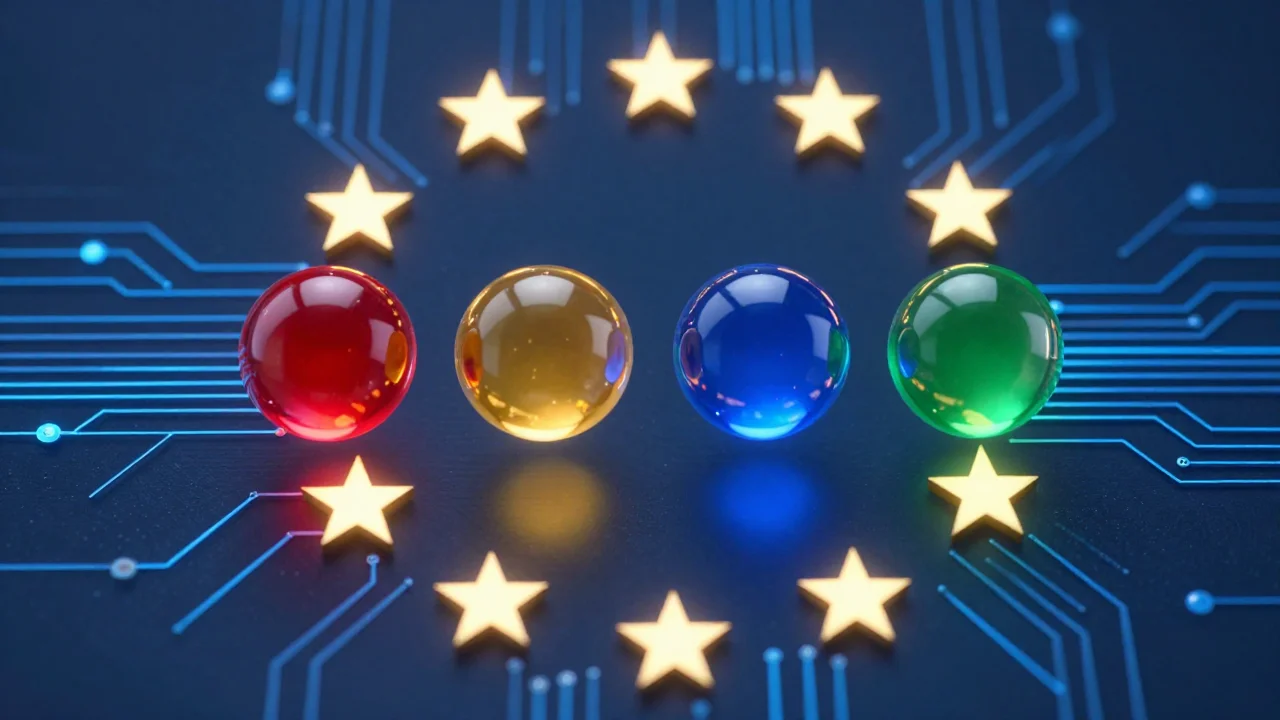
בלב חוק הבינה המלאכותית של האיחוד האירופי עומדת גישה מבוססת סיכון. ככל שהסיכון של מערכת בינה מלאכותית גבוה יותר, כך הדרישות מחמירות יותר:
סיכון בלתי קביל — אסור
מערכות הפוגעות בזכויות יסוד: ניקוד חברתי, בינה מלאכותית מניפולטיבית, מעקב ביומטרי המוני. אלה נאסרו החל מפברואר 2025.
סיכון גבוה — מוסדר בקפדנות
מערכות בינה מלאכותית בתחומים רגישים: הערכת כושר אשראי, ניהול גיוס עובדים, תשתיות קריטיות, אכיפת חוק. דורשות הערכת התאמה, ניהול סיכונים ופיקוח אנושי.
סיכון מוגבל — חובות שקיפות
צ'אטבוטים, זיופים עמוקים, זיהוי רגשות: על המשתמשים להיות מודעים לכך שהם מתקשרים עם בינה מלאכותית.
סיכון מינימלי — ללא דרישות
מסנני ספאם, בינה מלאכותית במשחקי וידאו, מערכות המלצה. ללא דרישות רגולטוריות.
מה זה אומר עבור בינה מלאכותית למסמכים ו-AI-IDP?
עבור עסקים המשתמשים ב-עיבוד מסמכים חכם (AI-IDP), השאלה המרכזית היא: לאיזו קטגוריית סיכון נופלת בינה מלאכותית למסמכים?
החדשות הטובות: רוב יישומי הבינה המלאכותית למסמכים נופלים לקטגוריות סיכון מוגבל או מינימלי:
- OCR וזיהוי טקסט: סיכון מינימלי — ללא חובות רגולטוריות
- סיווג מסמכים: סיכון מינימלי — מיון אוטומטי של חשבוניות, חוזים וכו'.
- חילוץ נתונים מטפסים:סיכון מינימלי — נתונים מובנים ממסמכים לא מובנים
- צ'אטבוטים המונעים על ידי בינה מלאכותית לשירות לקוחות:סיכון מוגבל — חובת שקיפות (משתמשים חייבים לדעת שהם מדברים עם בינה מלאכותית)
יש לנקוט משנה זהירות כאשר משתמשים בבינה מלאכותית למסמכים לצורך החלטות אוטומטיות המשפיעות באופן משמעותי על אנשים — כגון הערכות אשראי אוטומטיות המבוססות על מסמכים או סינון מקדים של מועמדים המונע על ידי בינה מלאכותית.
5 דברים שעסקים חייבים לעשות עכשיו
ללא קשר לקטגוריית הסיכון, אנו ממליצים לכל עסק המשתמש במערכות בינה מלאכותית לנקוט בחמשת הצעדים הבאים:
1. צור מלאי בינה מלאכותית
קבל סקירה מלאה של כל מערכות הבינה המלאכותית בארגון שלך. איזו תוכנה משתמשת בבינה מלאכותית? אילו החלטות מתקבלות באופן אוטומטי? היכן מעובדים נתונים אישיים?
2. בצע הערכת סיכונים
סווג כל מערכת בינה מלאכותית לאחת מארבע קטגוריות הסיכון. השתמש בקריטריונים מנספח III של חוק הבינה המלאכותית של האיחוד האירופי. במקרה של ספק: פנה לייעוץ מקצועי.
3. בנה תיעוד
מערכות בסיכון גבוה דורשות תיעוד טכני נרחב: נתוני אימון, מדדי ביצועים, אמצעי ניהול סיכונים, פרוטוקולי בדיקה. התחל עכשיו — תיעוד רטרואקטיבי הוא יקר משמעותית.
4. הבטח מעורבות אנושית בתהליך
החלטות אוטומטיות המשפיעות באופן משמעותי על אנשים דורשות פיקוח אנושי. יישם מסלולי הסלמה ברורים ומנגנוני סקירה.
5. הערך את הספקים שלך
אם אתה משתמש במערכות בינה מלאכותית של צד שלישי, ודא את עמידתן בחוק הבינה המלאכותית של האיחוד האירופי. בקש הצהרות התאמה. העדף ספקים עם אירוח באיחוד האירופי ועמידה מוכחת.
כיצד PaperOffice AI כבר עומד בדרישות
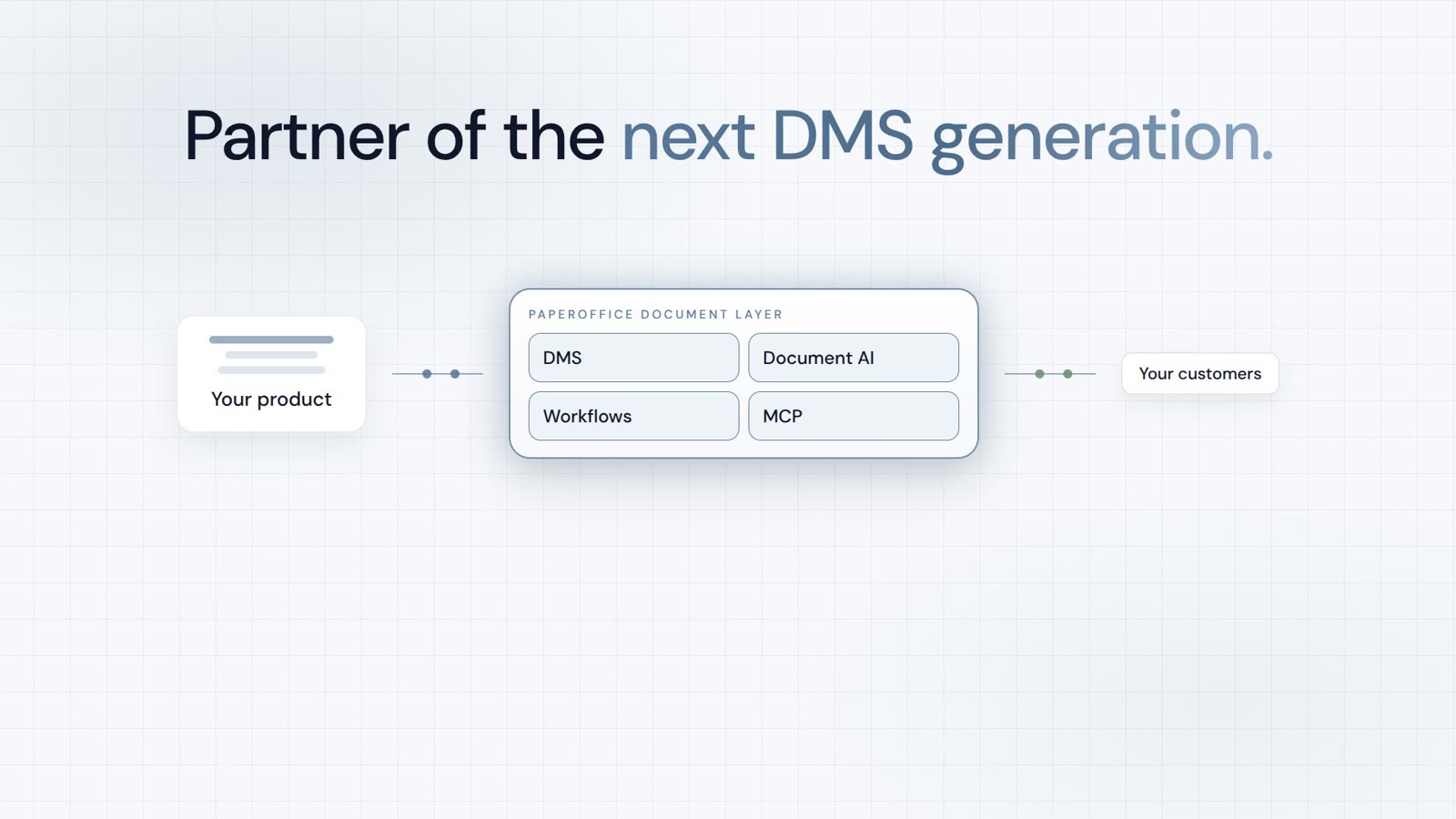
PaperOffice AI נבנה מהיסוד עם ערכים אירופיים וסטנדרטי האבטחה הגבוהים ביותר. פלטפורמת ה-Document AI שלנו כבר עומדת בדרישות חוק הבינה המלאכותית של האיחוד האירופי:
- 100% אירוח באיחוד האירופי: כל הנתונים מעובדים אך ורק במרכזי נתונים גרמניים ואירופיים — ללא העברות למדינות שלישיות
- תואם GDPR: עמידה מלאה בתקנת הגנת המידע הכללית, פרטיות בתכנון
- SOC 2 ו-ISO 27001: אבטחת מידע מוסמכת עם ביקורות סדירות
- אדם בלולאה: סקירה אנושית משולבת להחלטות קריטיות — ללא אוטומציה של קופסה שחורה
- בינה מלאכותית שקופה: החלטות ניתנות למעקב, נתיבי ביקורת מלאים, תוצאות ניתנות להסבר
- תיעוד טכני: תיעוד מקיף API, מדדי ביצועים ופרוטוקולי בדיקה עבור כל 300+ כלי הבינה המלאכותית
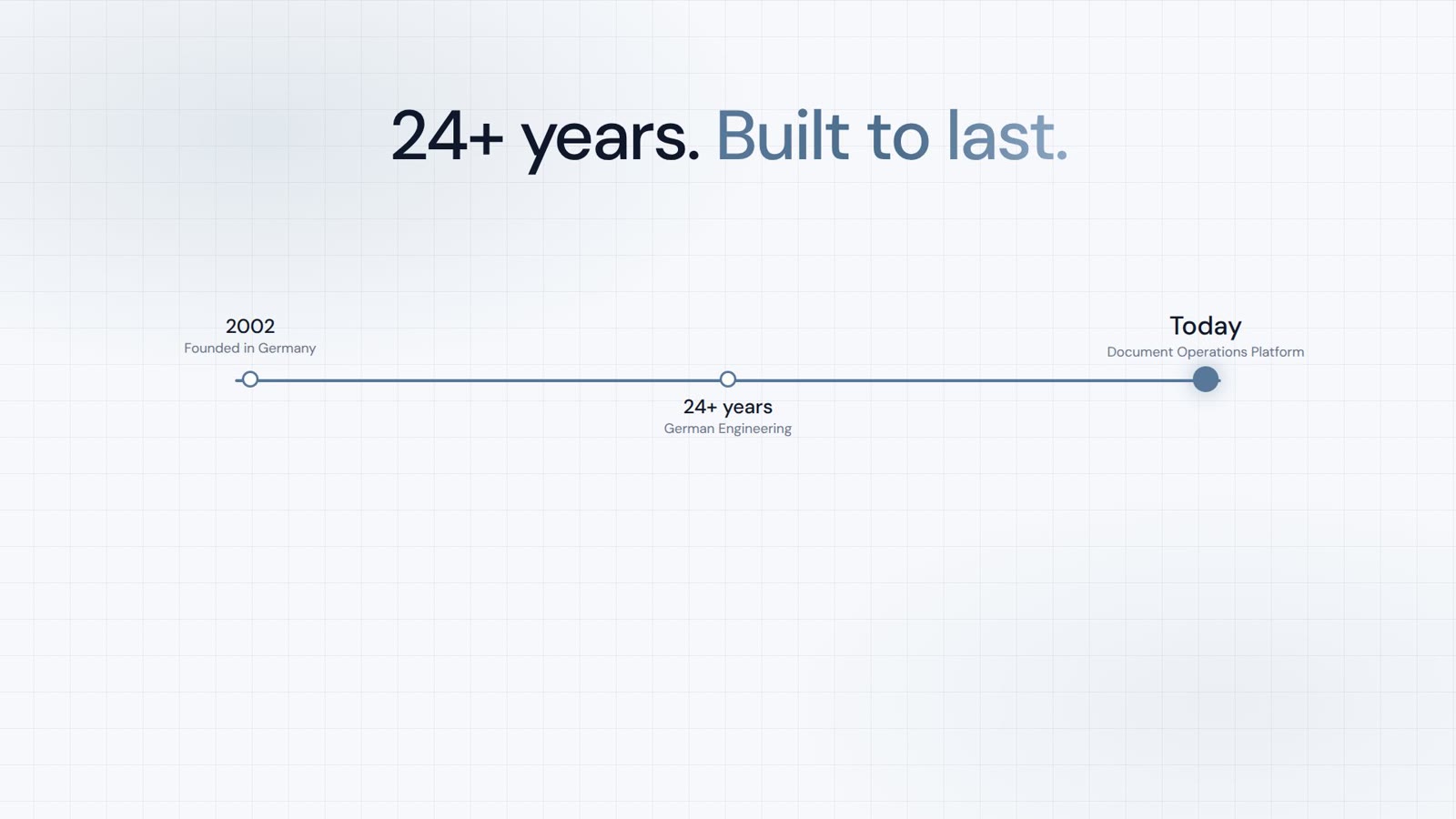
עם למעלה מ-24 שנות ניסיון בעיבוד מסמכים והתמקדות באבטחה ארגונית, אנו משוכנעים: רגולציה וחדשנות אינן סתירה. חוק הבינה המלאכותית של האיחוד האירופי יוצר אמון — ואמון הוא הבסיס לאימוץ נרחב של בינה מלאכותית בעסקים אירופיים.
חוק הבינה המלאכותית של האיחוד האירופי אינו מכשול, אלא הזדמנות: עסקים שמשקיעים בציות כעת זוכים ליתרון תחרותי בר-קיימא על פני ספקים שמתעלמים מהרגולציה.