












AB Yapay Zeka Yasası Nedir?
AB Yapay Zeka Yasası (Tüzük (AB) 2024/1689), yapay zekayı düzenleyen dünyanın ilk kapsamlı yasasıdır. 1 Ağustos 2024 tarihinde yürürlüğe girmiş olup, 2027 yılına kadar aşamalı olarak uygulanmaktadır. Amaç: Avrupa'daki yapay zekanın güvenli, şeffaf olmasını ve inovasyonu engellemeden temel haklara saygı duymasını sağlamaktır.
Document AI, AI-IDP veya otomatik karar verme sistemlerini kullanan işletmeler için bu düzenleme uzak bir endişe kaynağı değildir. Yükümlülüklerin çoğu, bugünden dört aydan kısa bir süre sonra, 2 Ağustos 2026 tarihinde yürürlüğe girmektedir.
Zaman Çizelgesi: Kurallar Ne Zaman Geçerli Olacak?
AB Yapay Zeka Yasası dört aşamada uygulanmaktadır:
| Tarih | Ne Olacak |
|---|---|
| Şubat 2025 | Kabul edilemez yapay zeka sistemlerine yasaklar (sosyal puanlama, manipülatif yapay zeka, gerçek zamanlı biyometrik gözetim) |
| Ağustos 2025 | Genel Amaçlı Yapay Zeka (GPAI) ve sistemik risk taşıyan yapay zeka modelleri için kurallar |
| Ağustos 2026 | Yüksek riskli yapay zeka sistemleri için temel yükümlülükler, şeffaflık gereklilikleri, uygunluk değerlendirmeleri |
| Ağustos 2027 | Düzenlemeye tabi ürünlerdeki (tıbbi cihazlar, araçlar vb.) yüksek riskli yapay zeka için yükümlülükler |
Ağustos 2026, çoğu işletme için kritik son tarihtir. Bu noktadan itibaren, yüksek riskli yapay zeka sistemleri uygunluk değerlendirme prosedürlerinden geçmeli, risk yönetimi sistemleri kurulmuş olmalı ve kapsamlı dokümantasyon gereklilikleri yerine getirilmelidir.

Dört Risk Kategorisine Genel Bakış
AB Yapay Zeka Yasası'nın merkezinde risk tabanlı bir yaklaşım yer alır. Bir yapay zeka sisteminin riski ne kadar yüksekse, gereklilikler o kadar katıdır:
Kabul Edilemez Risk — Yasaklı
Temel hakları ihlal eden sistemler: sosyal puanlama, manipülatif yapay zeka, kitlesel biyometrik gözetim. Bunlar Şubat 2025'ten beri yasaktır.
Yüksek Risk — Sıkı Düzenlemeye Tabi
Hassas alanlardaki yapay zeka sistemleri: kredi notu değerlendirmesi, işe alım yönetimi, kritik altyapı, kolluk kuvvetleri. Uygunluk değerlendirmesi, risk yönetimi ve insan gözetimi gerektirir.
Sınırlı Risk — Şeffaflık Yükümlülükleri
Sohbet robotları, deepfake'ler, duygu tanıma: kullanıcılar yapay zeka ile etkileşimde oldukları konusunda bilgilendirilmelidir.
Minimal Risk — Gereklilik Yok
Spam filtreleri, video oyunlarındaki yapay zeka, öneri sistemleri. Düzenleyici bir gereklilik yoktur.
Bu, Document AI ve AI-IDP için ne anlama geliyor?
Akıllı Belge İşleme (AI-IDP) kullanan işletmeler için temel soru şudur: Document AI hangi risk kategorisine giriyor?
İyi haber: çoğu Document AI uygulaması sınırlı veya minimal risk kategorilerine girmektedir:
- OCR ve metin tanıma: Minimal risk — düzenleyici yükümlülük yok
- Belge sınıflandırma: Minimal risk — faturaların, sözleşmelerin vb. otomatik sıralanması
- Formlardan veri çıkarma: Minimal risk — yapılandırılmamış belgelerden yapılandırılmış veriler
- Müşteri hizmetleri için yapay zeka destekli sohbet robotları: Sınırlı risk — şeffaflık yükümlülüğü (kullanıcılar yapay zeka ile konuştuklarını bilmelidir)
Document AI'in, belgelere dayalı otomatik kredi değerlendirmeleri veya yapay zeka destekli aday ön elemesi gibi bireyleri önemli ölçüde etkileyen otomatik kararlar için kullanıldığı durumlarda dikkatli olunmalıdır.

İşletmelerin Şimdi Yapması Gereken 5 Şey
Risk kategorisinden bağımsız olarak, yapay zeka sistemleri kullanan her işletmenin şu beş adımı atmasını öneriyoruz:
1. Bir Yapay Zeka Envanteri Oluşturun
Kuruluşunuzdaki tüm yapay zeka sistemlerinin tam bir genel görünümünü elde edin. Hangi yazılım yapay zeka kullanıyor? Hangi kararlar otomatikleştiriliyor? Kişisel veriler nerede işleniyor?
2. Risk Değerlendirmesi Yapın
Her yapay zeka sistemini dört risk kategorisinden birine sınıflandırın. AB Yapay Zeka Yasası'nın Ek III'ündeki kriterleri kullanın. Şüphe durumunda: profesyonel tavsiye alın.
3. Dokümantasyon Oluşturun
Yüksek riskli sistemler kapsamlı teknik dokümantasyon gerektirir: eğitim verileri, performans metrikleri, risk yönetimi önlemleri, test protokolleri. Şimdi başlayın — geriye dönük dokümantasyon çok daha maliyetlidir.
4. Human-in-the-Loop Sağlayın
Bireyleri önemli ölçüde etkileyen otomatik kararlar insan gözetimi gerektirir. Net tırmandırma yolları ve inceleme mekanizmaları uygulayın.
5. Tedarikçilerinizi Değerlendirin
Üçüncü taraf yapay zeka sistemleri kullanıyorsanız, bunların AB Yapay Zeka Yasası uyumluluğunu doğrulayın. Uygunluk beyanları talep edin. AB barındırma hizmeti sunan ve kanıtlanabilir uyumluluğa sahip tedarikçileri tercih edin.
PaperOffice AI Nasıl Şimdiden Uyumlu?
PaperOffice AI, Avrupa değerleri ve en yüksek güvenlik standartları ile temelden inşa edilmiştir. Document AI platformumuz şimdiden AB Yapay Zeka Yasası'nın gerekliliklerini karşılamaktadır:
- %100 AB Barındırma: Tüm veriler yalnızca Alman ve Avrupa veri merkezlerinde işlenir — üçüncü ülkelere aktarım yoktur
- GDPR Uyumlu: Genel Veri Koruma Tüzüğü ile tam uyum, Tasarım Gereği Gizlilik
- SOC 2 ve ISO 27001: Düzenli denetimlerle sertifikalı bilgi güvenliği
- Human-in-the-Loop: Kritik kararlar için entegre insan incelemesi — kara kutu otomasyonu yok
- Şeffaf Yapay Zeka: İzlenebilir kararlar, eksiksiz denetim izleri, açıklanabilir sonuçlar
- Teknik Dokümantasyon: 300+'den fazla yapay zeka aracı için kapsamlı API dokümantasyonu, performans metrikleri ve test protokolleri
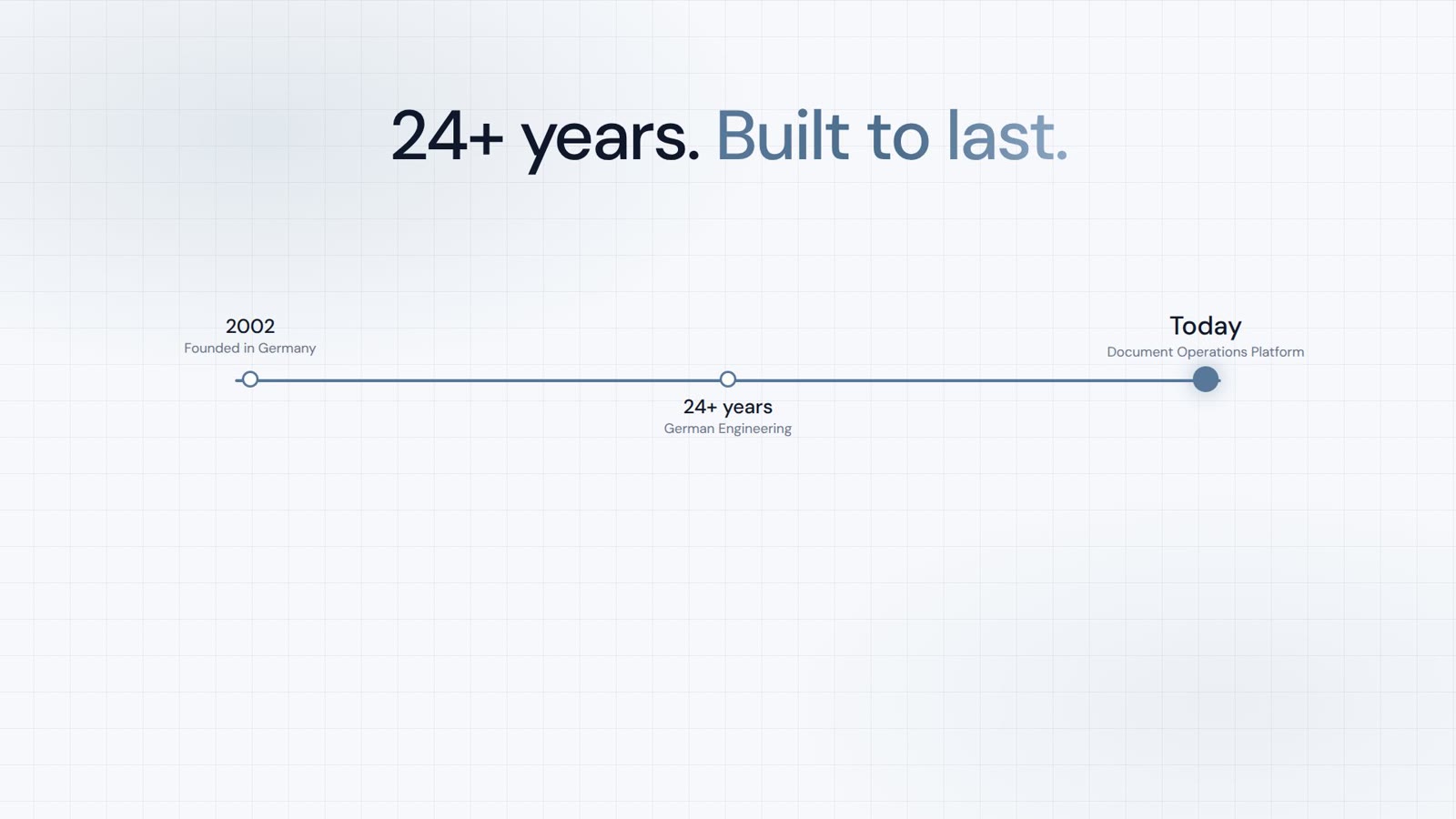
Belge işleme konusundaki 24 yılı aşkın deneyimimiz ve kurumsal güvenliğe odaklanmamızla şuna inanıyoruz: düzenleme ve inovasyon çelişkili değildir. AB Yapay Zeka Yasası güven yaratır — ve güven, Avrupa işletmelerinde yapay zekanın geniş çapta benimsenmesinin temelidir.
AB Yapay Zeka Yasası bir engel değil, bir fırsattır: şimdi uyumluluğa yatırım yapan işletmeler, düzenlemeyi görmezden gelen sağlayıcılara karşı sürdürülebilir bir rekabet avantajı elde eder.